

This cob cottage was built by William Savill sometime between 1861 and 1868. Savill arrived in Canterbury with his family in 1851 and lived in Upper Riccarton for a time where he built a house, malthouse and brewery. He acquired land at Yaldhurst in 1861 and it is thought that he built Tiptree Cottage shortly thereafter. Following his death in 1868 two of his sons continued to farm the property and live in the cottage, along with their sister. The farm was one of the first to be irrigated in Canterbury, using water taken from the Waimakariri River which was distributed around the farm through channels and ploughed furrows. Once irrigated, the farm produced good crops of oats, wheat, clover, root crops, beans and peas.
The cottage, made of cob (a mixture of clay, water and straw) is two-storeyed, with a timber attic. The use of cob and the style of the building, with a relatively small roof area, were possibly dictated by the lack of timber on the Canterbury Plains. However, the design of the cottage is also reminiscent of buildings in Essex, where the Savills came from. (The name, 'Tiptree', is the name of a village in Essex.) The roof was originally thatched but around 1900 the thatch was replaced with corrugated iron.
The cottage was sold to the owner of the neighbouring property around 1930 but was not inhabited, apart from a brief time during the Depression. It was purchased in 1963 by the Gregg family who restored the cottage and opened it as a house museum. Today it is open to the public on the second Sunday of every month.
Tiptree Cottage is significant as a cob cottage, which is unusual in having two storeys and an attic. Generally cob cottages in Canterbury were single-storeyed. It is a good example of the type of home built by early small farmers on the Canterbury Plains. The property on which the cottage was built was also notable as an early example of a farm irrigation scheme on the Canterbury Plains.Only one family ever lived in Tiptree and some of their furniture remains in the house today.
The cottage, made of cob (a mixture of clay, water and straw) is two-storeyed, with a timber attic. The use of cob and the style of the building, with a relatively small roof area, were possibly dictated by the lack of timber on the Canterbury Plains. However, the design of the cottage is also reminiscent of buildings in Essex, where the Savills came from. (The name, 'Tiptree', is the name of a village in Essex.) The roof was originally thatched but around 1900 the thatch was replaced with corrugated iron.
The cottage was sold to the owner of the neighbouring property around 1930 but was not inhabited, apart from a brief time during the Depression. It was purchased in 1963 by the Gregg family who restored the cottage and opened it as a house museum. Today it is open to the public on the second Sunday of every month.
Tiptree Cottage is significant as a cob cottage, which is unusual in having two storeys and an attic. Generally cob cottages in Canterbury were single-storeyed. It is a good example of the type of home built by early small farmers on the Canterbury Plains. The property on which the cottage was built was also notable as an early example of a farm irrigation scheme on the Canterbury Plains.Only one family ever lived in Tiptree and some of their furniture remains in the house today.
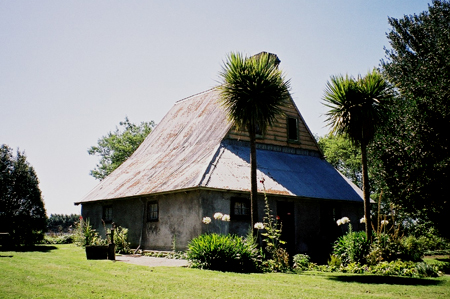
Tiptree Cottage, Christchurch | R Burgess | 15/12/2025 | Heritage New Zealand Pouhere Taonga
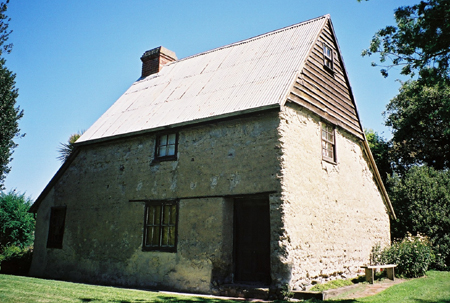
Tiptree Cottage, Christchurch | R Burgess | 15/12/2025 | Heritage New Zealand Pouhere Taonga
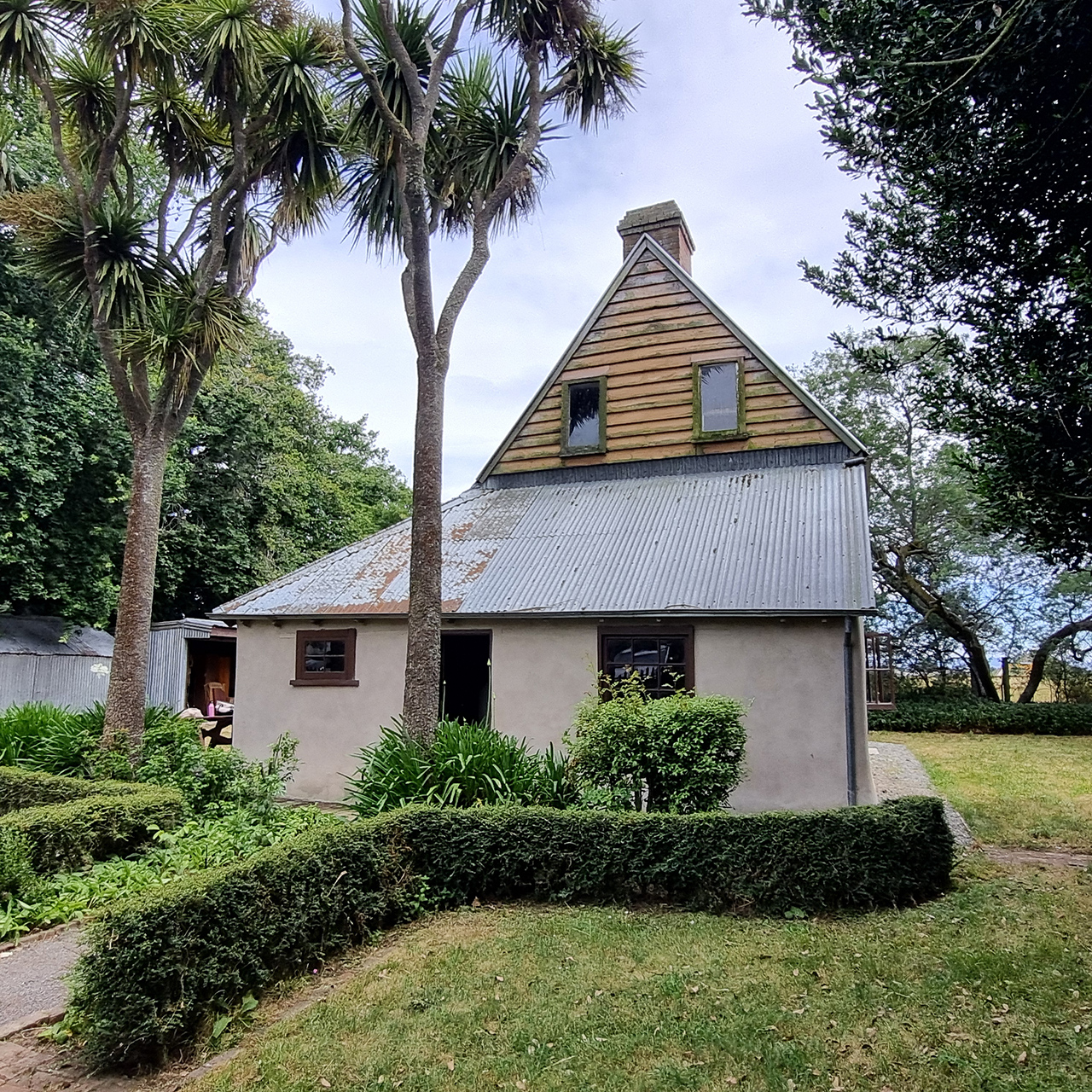
Tiptree Cottage, Christchurch | R Burgess | 15/12/2025 | Heritage New Zealand Pouhere Taonga
Tiptree Cottage, Christchurch | R Burgess | 15/12/2025 | Heritage New Zealand Pouhere Taonga
Tiptree Cottage, Christchurch | R Burgess | 15/12/2025 | Heritage New Zealand Pouhere Taonga
Tiptree Cottage, Christchurch | R Burgess | 15/12/2025 | Heritage New Zealand Pouhere Taonga
